
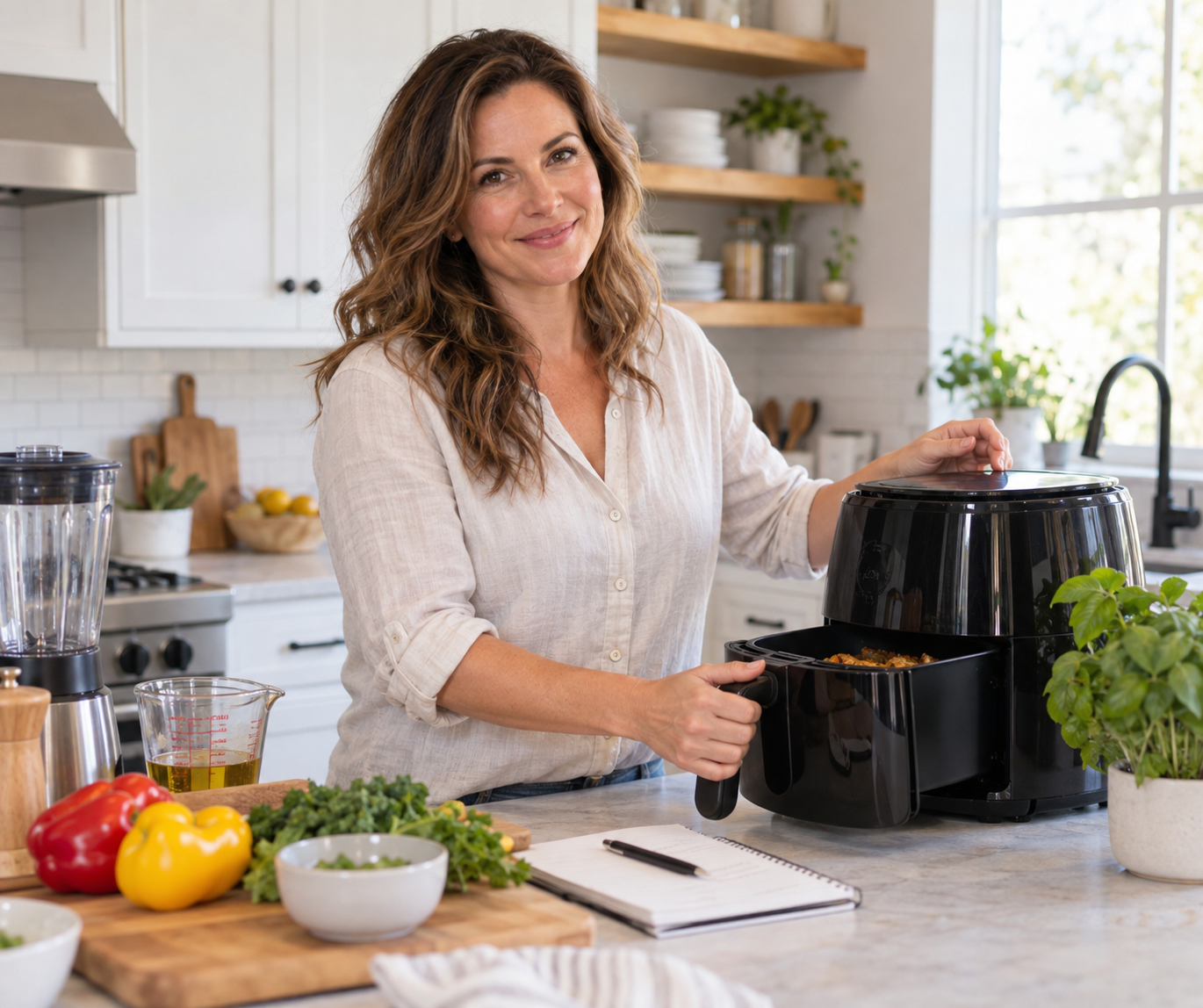

Heating cooking oil or rapidly moving hot air to fry food requires precise temperature regulation and controlled heat transfer. Understanding how does an electric fryer work helps home cooks avoid dangerous kitchen accidents, master texture development, and eliminate soggy results caused by severe heat drops. Electric fryers utilize high-wattage electrical resistance elements submerged directly in cooking fat or positioned beneath rapid convection fans to deliver steady heat. Mastering this thermal process makes cooking classic crispy foods or preparing meals such as crispy chicken recipes predictable and stress-free.
Modern countertop models range from compact four-cup units to heavy-duty multi-quart appliances equipped with immersed heating coils and safety lids. Internal sensors and adjustable thermostats continuously cycle electrical current to maintain oil or air temperatures between 250°F and 375°F. Keeping oil at the correct target prevents excessive grease absorption while ensuring food cooks through safely to meet USDA standards. Exploring the electrical circuits, heat transfer mechanisms, and safety features reveals why these dedicated machines deliver far more consistent browning than standard stovetop pots.

Pros
- Compact 1-quart footprint fits easily on small countertops and tucks into standard cabinets
- Uses only four cups of oil, minimizing oil waste compared to standard full-size fryers
- PFAS-free ceramic nonstick surface prevents food sticking and wipes clean easily
- Snap-on lid allows convenient oil storage inside the fryer between uses
- Includes a dedicated slotted scoop for quick food lifting and draining
Cons
- Fixed automatic temperature control does not allow manual heat adjustments for specialty recipes
- Small 1-quart capacity is designed for snacks and couples rather than large family meals
- Base housing cannot be submerged in water or washed in a dishwasher
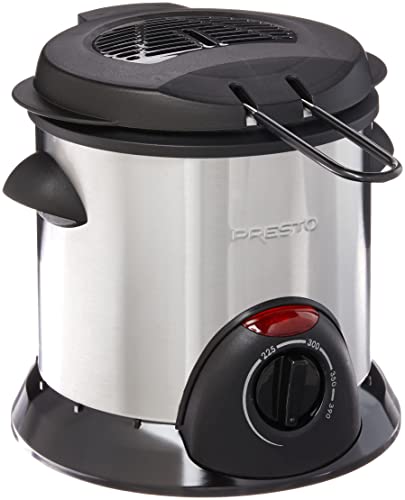
The Presto FryDaddy Electric Deep Fryer is a classic, compact countertop cooking appliance designed for anyone who loves golden, restaurant-style fried food without dealing with a massive vat of oil. With its tidy 1-quart capacity, this unit is well-suited for solo cooks, couples, apartment dwellers, and college students looking to whip up quick batches of french fries, chicken tenders, or mozzarella sticks.
In terms of everyday frying performance, the unit relies on heavy cast aluminum construction paired with an automatic internal thermostat. This design promotes rapid preheating and consistent oil temperature recovery between batches, helping foods crisp evenly without soaking up excess oil. Whether you are frying up frozen snacks for movie night or making fresh shrimp and onion rings from scratch, the preset heating system maintains the target frying temperature automatically without the need for manual dial monitoring.
The build features a durable cast aluminum body coated inside and out with a ceramic nonstick finish that is completely PFAS-free. This surface helps prevent batter and crumbs from sticking tightly to the interior walls. Rather than using a bulky wire basket that can be cumbersome to wash and store, Presto includes a custom slotted scoop designed to lift, drain, and serve your fried foods straight to the plate.
Setup and countertop placement are straightforward thanks to the modest dimensions of 8.38 by 8.13 by 7.38 inches and a lightweight 3-pound body. One of its most practical features is the snap-on storage lid. After the oil cools down completely, you can simply snap the cover on and store the oil directly inside the fryer for future use, eliminating messy oil transfers and keeping kitchen counters odor-free.
There are a few natural trade-offs with such a streamlined design. Because the thermostat is preset, you cannot customize the frying temperature for delicate items or high-heat specialty recipes. In addition, the compact 1-quart capacity is built for one to two servings at a time, making it less practical for cooking large family dinners. The integrated heating element also means the unit cannot be submerged in water or placed in a dishwasher.
For budget-conscious home cooks, small-kitchen households, and anyone who wants an effortless way to make crispy fried treats using just four cups of oil, the Presto FryDaddy remains a dependable, space-friendly countertop solution. It delivers authentic crispness, straightforward operation, and mess-free oil storage in a compact package.
The Presto FryDaddy is specifically engineered around an efficient four-to-four ratio, frying four generous servings of food using only four cups of cooking oil. This setup significantly reduces oil waste compared to traditional deep fryers that require large quantities of oil just to reach the minimum fill line.
The included snap-on lid turns the fryer into its own storage container between cooking sessions. Once the oil has completely cooled, sealing the lid prevents spills and traps lingering cooking odors, allowing you to store the fryer on a pantry shelf or counter without having to drain and strain the oil after every single meal.
Cleaning the FryDaddy is simplified by its PFAS-free ceramic nonstick coating, which covers both the interior pot and the exterior housing. Food residue and oil droplets release easily, meaning a damp cloth with mild dish soap is usually all that is needed to wipe down the inside after the oil has been emptied.
Because the electrical heating elements are built directly into the cast aluminum base, the unit must never be submerged in water. The included slotted scoop is easy to hand wash in the sink, making post-snack cleanup fast and straightforward for busy weeknights.


Pros
- Rapid 1500W heating element recovers oil temperature efficiently between batches
- Compact 2-liter capacity is well-suited for small kitchens, dorms, and single-serve snacks
- Locking lid with viewing window minimizes oil splatter and keeps cooking visibility high
- Dishwasher-safe frying basket and removable cord make cleanup and storage straightforward
Cons
- 2-liter capacity is too small for large family dinners or frying whole cuts of poultry
- Deep-frying requires storing and disposing of cooking oil compared to hot-air alternatives
- Exterior housing can get warm to the touch during extended high-temperature cooking sessions
The OVENTE 2L Electric Deep Fryer is a compact countertop cooking appliance designed for home cooks who appreciate the unmatched crunch and flavor of traditional oil frying. With a modest 2-liter (68-ounce) oil reservoir and a space-efficient rectangular profile, this unit is tailor-made for apartment renters, college students, couples, and smaller households where counter real estate is at a premium. It provides a dedicated frying solution that avoids the mess and temperature fluctuations often experienced when frying in standard stovetop pots.
Equipped with a 1500-watt heating element, this fryer heats oil quickly and provides steady temperature recovery when frozen items are lowered into the bath. The adjustable rotary dial covers a range from 275°F to 375°F, giving you the flexibility to prepare everything from delicate funnel cakes, beignets, and doughnuts to high-heat items like French fries, chicken tenders, mozzarella sticks, and egg rolls. Dual LED indicator lights keep you informed by glowing red during the preheating phase and switching to green as soon as your selected frying temperature is reached.
The physical construction combines brushed stainless steel housing with practical safety features. The top cover locks firmly in place to prevent dangerous oil pops and splattering, while the clear glass viewing window allows you to monitor food browning without releasing heat. An integrated lid filter works to capture excess grease vapor and minimize lingering food odors in open-concept living areas. For added kitchen safety, the unit includes cool-touch side handles and a quick-disconnect breakaway power cord that detaches instantly if snagged.
Daily operation and storage are straightforward thanks to the lightweight 5.52-pound build and compact dimensions of 13.75 by 8.25 by 8.25 inches. The wire frying basket features a resting hook for draining excess oil back into the reservoir before serving. Once cooking is finished and the oil has completely cooled, the removable basket can go straight into the dishwasher, while the sleek brushed metal exterior easily wipes down with a damp cloth.
While this appliance excels at compact convenience, prospective buyers should keep realistic volume limits in mind. A 2-liter capacity is ideal for single portions or side dishes for two, but preparing game-day wings or family-sized meals will require frying in sequential batches. Additionally, users must factor in standard oil maintenance and disposal, as deep frying naturally involves more hands-on oil management than air frying.
For anyone seeking an affordable, dedicated small-batch fryer that produces restaurant-quality crispiness without dominating the kitchen counter, the OVENTE FDM2201BR is a practical and dependable choice. It offers quick heat-up times, solid safety considerations, and effortless control for satisfying comfort food cravings on demand.
Consistent oil temperature is essential for achieving golden, crispy exteriors without making food greasy, and this unit delivers reliable heat management via its 1500-watt submerged coil design. The front-mounted thermostat dial allows smooth adjustment between 275°F and 375°F, allowing home cooks to dial in the perfect heat setting for delicate seafood, battered vegetables, or dense frozen appetizers.
Safety is a standout feature on this countertop model. The magnetic breakaway power cord detaches with minimal resistance if accidentally bumped, helping prevent dangerous counter spills. Combined with the secure locking lid, cool-touch exterior handles, and distinct red and green indicator lights, the unit provides a protected, user-friendly frying experience for cooks of any experience level.
With a narrow width of just 8.25 inches and an overall length under 14 inches, this fryer fits neatly alongside other appliances or tucks away into standard kitchen cabinets between uses. Its brushed stainless steel finish resists stubborn fingerprints and adds a clean, modern aesthetic to any apartment or galley kitchen setup.
Post-cooking maintenance is simplified by the dishwasher-safe chrome-plated frying basket and smooth interior surfaces. Built-in lid filters catch airborne oil droplets during cooking, significantly reducing countertop grease mist and making final surface wipe-downs fast and painless.


Pros
- Massive 10-liter interior handles whole holiday turkeys and large seafood boils with ease
- Built-in drain valve makes removing used cooking oil and boiling liquid remarkably simple
- Magnetic breakaway safety cord and drain clips reduce hazards when cooking with hot liquids
- Versatile 3-in-1 functionality eliminates the need for separate boiling pots and outdoor burners
Cons
- Large physical footprint and 20-pound weight require ample counter clearance and dedicated storage
- Heating large volumes of oil or water takes some patience before reaching optimal cooking temperature
- Requires careful draining and cleaning routines after heavy deep-frying sessions
The Masterbuilt 3-in-1 10 Liter XL Electric Fryer, Boiler, and Steamer is tailored for home cooks and busy families who regularly entertain or prepare large meals. With a generous 10.6-quart capacity capable of fitting up to a 20-pound turkey, this indoor-ready appliance serves as a safer, self-contained alternative to bulky outdoor propane fryers. It is particularly well-suited for holiday hosts, game-day party planners, and seafood boil fans who need serious volume without cluttering their stovetop with multiple pots.
For versatile cooking tasks, this multi-cooker transitions smoothly between deep frying, steaming, and boiling. Whether you want to achieve crispy turkey skin and juicy meat with less oil, steam a hearty batch of crab legs and seasonal vegetables, or simmer a classic low-country boil, the heating system delivers consistent heat retention. The appliance is engineered to require less cooking oil than traditional open fryers, providing a practical and slightly more economical approach to deep frying at home.
The build quality reflects a focus on durability and user safety. Wrapped in a sleek stainless steel finish, the unit features a magnetic breakaway cord designed to disconnect instantly if bumped, minimizing the risk of accidental tipping. Additionally, the included cooking basket features secure drain clips and an ergonomic lifting hook, allowing excess oil or hot broth to drain safely back into the pot before moving food to a serving tray.
Managing the appliance is straightforward thanks to its thoughtful maintenance features. The integrated front drain valve takes the heavy lifting out of oil disposal and liquid emptying, while the removable hinged lid and dishwasher-safe components help keep post-dinner cleanup manageable. However, buyers should plan ahead for its substantial dimensions (roughly 16.5 by 18.4 by 14.8 inches) and weight over 20 pounds on their countertops or storage shelves.
Some realistic limitations include the time needed to bring a full 10-liter chamber of liquid to cooking temperature and the storage room required when the cooker is not in use. It is definitely a specialized, high-capacity machine rather than a compact everyday toaster alternative.
For households that regularly feed a crowd and want the flexibility to fry turkeys, boil seafood, and steam large family sides safely inside, the Masterbuilt 3-in-1 XL represents a capable, well-featured countertop cooking investment.
With a spacious 10.6-quart (10-liter) cooking vessel, this appliance easily accommodates a whole turkey weighing up to 20 pounds, making it a reliable centerpiece for Thanksgiving, holiday feasts, and large family dinners. The deep cooking well gives food plenty of room to cook evenly without overcrowding.
Beyond holiday poultry, the 3-in-1 setup excels at boiling seafood feasts, cooking large batches of pasta, and steaming vegetables, tamales, or shellfish. The included basket keeps food elevated during steaming and organized during deep frying, giving home cooks dependable flexibility across various meal styles.
One of the biggest hurdles with large-capacity electric fryers is oil management, and this unit addresses that with a built-in drain valve. Instead of dangerously lifting and tilting a hot, heavy pot, users can drain oil directly into safe storage containers once cooled.
The removable hinged lid and dishwasher-safe components simplify the washing process after grease-heavy meals. Wiping down the stainless steel exterior with a damp cloth keeps the unit looking sharp for years of family gatherings.
The Mechanics and Thermodynamics of Electric Fryers
Electric fryers convert electrical energy into concentrated thermal energy to cook food rapidly through liquid oil submersion or forced hot air circulation. At the core of every appliance sits an electric circuit connected to a resistive heating element and a regulating thermostat. When oil reaches target cooking levels, it surrounds ingredients completely to transfer heat far more rapidly than dry radiant air in a standard oven. Understanding these mechanical processes allows cooks to regulate temperatures precisely, prevent kitchen hazards, and achieve balanced textures without excess oil absorption.
Electrical Resistance and Heating Element Design
Electric fryers generate heat through Joule heating, where electrical resistance within a specialized metal alloy converts electrical current into pure thermal energy. The internal wire, typically composed of nichrome, sits enclosed inside a protective stainless steel or cast-aluminum tube insulated with magnesium oxide powder. This construction prevents electrical current from shorting into the surrounding oil or appliance body while transferring heat across the metal sheath efficiently. Appliance engineers design these elements to operate safely under intense domestic kitchen currents while reaching surface temperatures well above 400°F.
Countertop fryers generally feature either immersed heating elements or base-mounted cast elements. Immersed elements, such as those found in high-powered commercial style units like the Hamilton Beach 1800W model, sit directly suspended within the cooking oil reservoir. Direct submersion provides the fastest thermal transfer because the oil makes immediate contact with the entire surface area of the heating tube. In contrast, compact appliances like the Presto FryDaddy integrate heating elements directly into the base of a heavy cast-aluminum pot, distributing heat through conductive metal walls into a nonstick reservoir.
Immersed element fryers also produce a unique thermal zone known as a cold zone beneath the heating coils. Because hot oil naturally rises through convection currents, the oil situated below the suspended element remains noticeably cooler than the active frying zone above. Breadcrumbs and loose batter particles that sink to the bottom of the vat sit in this cooler pocket rather than burning against a blazing base element. This mechanical separation keeps the primary cooking oil clean, reduces unpleasant burnt odors, and prolongs the usable lifespan of the cooking fat.
Thermostatic Temperature Regulation and Cycling
Accurate temperature regulation prevents cooking oil from dropping into greasy territory or climbing toward dangerous combustion thresholds. Electric fryers utilize either mechanical bi-metal thermostats or electronic temperature sensors to monitor oil heat continuously. A bi-metal thermostat consists of two bonded metals with different rates of thermal expansion that physically bend as oil heats up. Once the metal strip bends past a calibrated threshold, it breaks the electrical contact and interrupts current flow to the heating coil.
Some models feature factory-calibrated thermostats that maintain an automatic preset frying temperature of approximately 375°F. Other units provide adjustable rotary dials ranging between 265°F and 375°F, allowing cooks to customize heat levels for different ingredients. When the thermostat detects that oil temperatures have dropped below the chosen setpoint, the internal switch snaps shut to re-energize the heating element. This continuous on-and-off cycling maintains a stable thermal equilibrium throughout long cooking sessions.
Visual indicator lights give cooks real-time insight into this thermostatic duty cycle. Most electric fryers include a red power light alongside a secondary green ready light. The green indicator illuminates only after the heating element has brought the entire oil reservoir up to the calibrated setpoint. Dropping food into the vat before this indicator activates guarantees excessive oil absorption because lukewarm oil cannot produce the rapid surface sealing needed for crisp textures.
Heat Transfer Dynamics and Moisture Vaporization
Frying functions as a rapid dehydration process driven by intense conductive and convective heat transfer. Cooking oil possesses a much higher thermal conductivity and heat capacity than atmospheric air, transferring thermal energy into food surfaces almost instantly. The moment raw ingredients plunge into oil heated between 350°F and 375°F, surface moisture immediately flashes into steam. This reaction produces the vigorous bubbling that cooks observe across the fryer vat during the first several minutes of cooking.
The continuous escaping steam generates an outward positive pressure that acts as a physical shield against oil penetration. As long as internal moisture vaporizes and pushes outward, cooking oil cannot soak deeply into the food interior. This surface dehydration causes the exterior starch and protein structure to set into a crisp, rigid shell. Simultaneously, high surface heat triggers the Maillard reaction, producing aromatic flavor compounds and characteristic golden-brown coloration across breaded coatings.
Countertop electric appliances manage this process differently depending on whether they use liquid fat or forced convection airflow. Liquid deep fryers submerge food completely, ensuring uniform conductive heat transfer on all exposed surfaces simultaneously. Countertop air fryers, on the other hand, circulate dry superheated air via high-velocity fans around lightly misted food. While air fryers eliminate deep oil vats, traditional electric immersion fryers transfer thermal energy at a faster rate due to the dense thermal mass of liquid cooking oil.
Thermal Mass, Oil Volume, and Recovery Time
Every batch of room-temperature or cold food introduces a sudden thermal deficit to the hot frying reservoir. Dropping cold chicken or frozen french fries into a fryer causes oil temperatures to plunge by 30°F to 60°F within seconds. The duration required for the appliance to return to its calibrated cooking setpoint represents its thermal recovery time. Appliances with higher wattage ratings, such as 1500W to 1800W heating elements, recover target temperatures much faster than lower-powered heating pots.
Overcrowding the frying basket severely impairs this recovery dynamic. When cooks pack too much cold food into a small reservoir, the oil temperature drops dramatically and struggles to climb back above 300°F. Without adequate heat, internal moisture cannot vaporize quickly enough to sustain the outward steam barrier. The breading or batter ends up absorbing significant quantities of liquid grease, resulting in pale, limp, and oil-logged food.
Countertop fryers manage volume demands through varying reservoir capacities and basket configurations. Compact units utilize small four-cup or two-liter reservoirs suited for single servings or quick appetizers. Mid-sized appliances offer 4.5-liter reservoirs with dual smaller baskets alongside a single large basket, allowing cooks to fry two separate items simultaneously. Extra-large multicookers feature capacities exceeding ten liters, providing the thermal mass necessary to fry large poultry or steam whole seafood boils without massive temperature crashes.
Oil Chemistry, Smoke Points, and Degradation
Cooking oil undergoes continuous chemical changes when exposed to high heat, atmospheric oxygen, and food moisture. Heating oil repeatedly causes triglycerides to break down into free fatty acids, diglycerides, and volatile aldehydes. Over time, these breakdown products reduce the smoke point of the oil and cause it to darken, foam, and produce pungent aromas. Selecting cooking fats with high initial smoke points, such as peanut oil, canola oil, or refined corn oil, ensures stable operation at temperatures up to 400°F.
Proper maintenance of the oil reservoir prolongs cooking fat performance and protects sensitive heating hardware. Straining cooled oil through fine mesh or paper filters removes carbonized breading particles that accelerate thermal breakdown. Keeping heating tubes free of polymerized grease deposits ensures efficient heat transfer from the metal sheath into the liquid. Using designated degreasing agents and appliance cleansers helps break down sticky residue on removable parts without scratching protective metal surfaces.
Discarding compromised oil is essential for culinary quality and kitchen safety. Oil that emits acrid blue smoke at temperatures below 350°F or develops a syrupy viscosity must be replaced immediately. Decomposed oil transfers heat erratically and imparts harsh, bitter flavors to delicate foods. Storing clean, strained oil in a sealed container away from direct sunlight preserves its molecular stability for multiple subsequent frying cycles.
Critical Safety Systems in Countertop Electric Fryers
Hot cooking oil presents serious thermal and fire hazards, requiring specialized safety engineering in electric countertop appliances. The most critical mechanical feature found on modern electric fryers is the magnetic breakaway power cord. This cord attaches to the heating terminal via light magnetic attraction rather than a tight friction fit. If a child, cook, or pet snags the electrical cord, it detaches instantly without tipping the vat of boiling oil off the countertop.
Vented lids with integrated viewing windows and vapor filters provide essential physical protection during active cooking. Dropping food into hot oil causes moisture to expand violently, throwing hot grease droplets across nearby surfaces. Locking or fitted covers contain these splatters within the pot while allowing harmless water vapor to vent into the kitchen. Transparent viewing windows enable cooks to monitor browning progress without lifting the lid and exposing their hands to hot steam.
Internal thermal cutoffs provide an essential fail-safe against catastrophic grease fires. If a thermostat fails in the closed position, heating coils could theoretically heat cooking oil past its flashpoint of approximately 600°F. To prevent spontaneous combustion, manufacturers install thermal limit switches directly against the heating element or pot wall. If temperatures exceed safe operating limits, this thermal fuse trips permanently or opens an emergency circuit, cutting electrical power before oil can ignite.
Internal Doneness and Food Safety Standards
Golden exterior browning does not guarantee that the interior of dense foods has reached safe consumption temperatures. High oil temperatures can cook exterior coatings rapidly while leaving the center of thick poultry cutlets or pork chops raw. Home cooks must rely on calibrated instant-read digital food thermometers rather than visual surface cues alone. The USDA establishes strict minimum safe internal temperatures: 165°F for poultry, 160°F for ground meats, and 145°F with a three-minute rest for whole beef, pork, and finfish.
Delicate proteins require precise timing and heat calibration to avoid overcooking or drying out under high conductive heat. Balancing oil temperatures between 325°F and 350°F allows thick items to cook through before their breaded crust turns bitter and dark. Reviewing recommended guidelines, such as standard delicate seafood cooking times, helps home cooks synchronize heat penetration with crust development. Lifting the fryer basket to suspend ingredients above the reservoir drains excess surface fat immediately, keeping crusts light and crisp.
Resting fried foods on an elevated wire cooling rack rather than flat paper towels preserves crust crispness after cooking. Paper towels trap escaping steam beneath the food, rapidly softening the crunchy starch network that formed during frying. An elevated rack allows air to circulate around all sides of the food, venting residual steam while allowing excess surface oil to drip away freely. Allowing thick proteins to rest for three to five minutes also stabilizes internal juices and completes carryover cooking safely.
Appliance Maintenance and Electrical Care
Regular cleaning and electrical maintenance keep electric fryers operating efficiently and prevent component failure. Immersed heating assemblies must always be disconnected from power and completely cooled before handling. While oil pots, baskets, and vented lids are frequently dishwasher safe, electrical heating control heads must never be submerged in water. Wiping the heating element assembly with a damp, soapy cloth and drying it thoroughly protects sensitive internal wiring from moisture corrosion.
Nonstick interior pots, such as ceramic or fluoropolymer coated reservoirs, require gentle cleaning tools to avoid scratches. Using abrasive scouring pads or metal utensils strips protective nonstick coatings, exposing base aluminum to oxidation and causing foods to stick. Soft sponges paired with warm water and mild dish soap effectively dissolve residual fats without abrading cooking surfaces. Ensuring pots are bone-dry before refilling with fresh oil prevents dangerous water splatters during preheating.
Routine inspection of safety components ensures reliable kitchen protection during high-temperature frying. Checking magnetic power terminals for accumulated grease or carbon buildup ensures strong electrical contact without resistance sparking. Testing thermostat responsiveness by observing temperature ready lights confirms that internal switches cycle properly. Diligent cleaning, proper oil management, and careful temperature calibration ensure your countertop electric fryer delivers crisp, restaurant-quality results safely for years.



Write Your Review
No reviews yet. Be the first to share your experience!