

Crisp french fries, golden onion rings, and tender chicken cutlets require precise thermal management to achieve satisfying textures without absorbing excess grease. Learning how to use an electric deep fryer begins with understanding oil volume thresholds, heating element stability, and proper food surface moisture control. Electric countertop fryers eliminate the guesswork of stovetop cooking by regulating heat through integrated thermostats or automated preset elements. Many home cooks discover that balancing batch sizes with oil temperature recovery creates the ideal crunch while keeping foods light and crisp.
Mastering your countertop unit also demands strict attention to oil selection, moisture management, and kitchen safety. Moisture causes hot oil to bubble rapidly, so drying ingredients thoroughly before submersion prevents dangerous splattering and uneven crust development. Whether you are transitioning from convection alternatives or pairing deep-fried sides with crisp chicken recipes, following established oil maintenance protocols keeps your cooking consistent. Setting clear benchmarks for frying cycles, food loading, and oil filtration guarantees reliable meals every time.
Pros
- Compact 1-liter capacity saves precious counter space and cuts down on cooking oil waste.
- Fast and even heating allows oil to reach optimal frying temperatures quickly.
- Vented lid with integrated spatter screen helps contain oil pops and greasy mess.
- Simple adjustable temperature dial provides straightforward control without complicated menus.
Cons
- 1.1-quart oil capacity is designed strictly for small portions and single-to-couple servings.
- The internal oil reservoir is not removable, requiring manual pouring to empty and clean.
- Lacks a built-in timer, so cooking progress must be monitored manually.
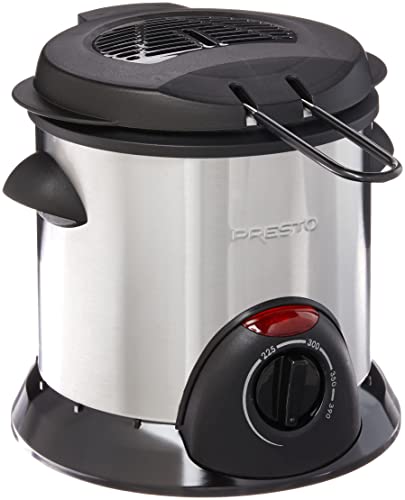
The Presto 05470 Stainless Steel Electric Deep Fryer is a compact countertop cooking appliance built specifically for small-batch cooking. With its 1-liter (1.1-quart) oil capacity, this unit is well-suited for solo cooks, college students, couples, and apartment dwellers who want freshly fried foods without dealing with bulky commercial-style equipment. If you enjoy making quick side orders of French fries, breaded shrimp, mozzarella sticks, or chicken tenders, this mini fryer provides a dedicated setup that heats up quickly without wasting cups of unused oil.
In terms of everyday cooking performance, the fryer relies on an anodized aluminum interior designed for fast, uniform heat distribution. The adjustable thermostat dial lets you select the right temperature for different ingredients, helping prevent soggy fries or scorched batter. Because the oil chamber is small, the appliance reaches working temperatures in just a few minutes, making it convenient for quick lunches or impromptu game-day appetizers.
The build quality centers around a brushed stainless steel exterior that looks clean on any kitchen counter. Inside, the anodized heating chamber keeps heat steady during short frying cycles. A notable feature is the vented cool-touch cover equipped with an integrated spatter screen. Frying with the cover closed helps trap airborne grease, significantly cutting down on countertop splatter and lingering food odors throughout your living area.
Setting up and handling the appliance is very straightforward. At roughly 8.25 by 8.63 inches and just over three pounds, it has a minimal footprint that tucks neatly into kitchen cabinets or pantry shelves when not in use. A handy power indicator light alerts you when the unit is active. For cleaning, the manufacturer recommends allowing the oil to cool completely before pouring it into an airtight storage container, followed by wiping down the interior and exterior surfaces with a damp cloth.
There are some realistic limitations to keep in mind. The 1-liter capacity means this fryer cannot accommodate full family-sized batches or larger items like whole chicken pieces in a single go. Additionally, because the inner oil container is fixed rather than removable, pouring out used oil requires carefully tipping the lightweight unit over a container, which requires steady hands.
Overall, the Presto 05470 represents a practical, budget-friendly solution for anyone seeking small-portion frying convenience. It delivers the crunch and texture of traditional oil frying with fast heat-up times and minimal oil waste, making it a handy addition for compact kitchens and casual home cooks.
For studio apartments, dorm rooms, and tiny kitchens where counter space is at a premium, the Presto 05470 offers a very practical footprint. Measuring under nine inches on all sides and weighing just 3.1 pounds, it occupies roughly the same amount of room as a standard electric kettle.
Beyond its physical size, the 1-liter oil requirement is a major advantage for small households. Traditional deep fryers often demand a half gallon or more of cooking oil, which is expensive to replace and difficult to store in tight pantries. This compact unit lets you whip up portion-controlled snacks efficiently while keeping your cabinet space organized.
Maintaining the Presto 05470 is straightforward when following proper small-appliance care. The vented cover with its built-in spatter screen helps prevent grease from settling on nearby walls and countertops during cooking, reducing the overall mess after dinner.
Once the unit has cooled completely, you can pour the used oil into a sealable container for disposal or future reuse. Because the internal pot is non-removable, wiping the interior clean with a soft paper towel and warm, soapy sponge keeps the anodized surface in good condition for repeated use.

Pros
- Compact 1-quart footprint fits easily on small countertops and tucks into standard cabinets
- Uses only four cups of oil, minimizing oil waste compared to standard full-size fryers
- PFAS-free ceramic nonstick surface prevents food sticking and wipes clean easily
- Snap-on lid allows convenient oil storage inside the fryer between uses
- Includes a dedicated slotted scoop for quick food lifting and draining
Cons
- Fixed automatic temperature control does not allow manual heat adjustments for specialty recipes
- Small 1-quart capacity is designed for snacks and couples rather than large family meals
- Base housing cannot be submerged in water or washed in a dishwasher
The Presto FryDaddy Electric Deep Fryer is a classic, compact countertop cooking appliance designed for anyone who loves golden, restaurant-style fried food without dealing with a massive vat of oil. With its tidy 1-quart capacity, this unit is well-suited for solo cooks, couples, apartment dwellers, and college students looking to whip up quick batches of french fries, chicken tenders, or mozzarella sticks.
In terms of everyday frying performance, the unit relies on heavy cast aluminum construction paired with an automatic internal thermostat. This design promotes rapid preheating and consistent oil temperature recovery between batches, helping foods crisp evenly without soaking up excess oil. Whether you are frying up frozen snacks for movie night or making fresh shrimp and onion rings from scratch, the preset heating system maintains the target frying temperature automatically without the need for manual dial monitoring.
The build features a durable cast aluminum body coated inside and out with a ceramic nonstick finish that is completely PFAS-free. This surface helps prevent batter and crumbs from sticking tightly to the interior walls. Rather than using a bulky wire basket that can be cumbersome to wash and store, Presto includes a custom slotted scoop designed to lift, drain, and serve your fried foods straight to the plate.
Setup and countertop placement are straightforward thanks to the modest dimensions of 8.38 by 8.13 by 7.38 inches and a lightweight 3-pound body. One of its most practical features is the snap-on storage lid. After the oil cools down completely, you can simply snap the cover on and store the oil directly inside the fryer for future use, eliminating messy oil transfers and keeping kitchen counters odor-free.
There are a few natural trade-offs with such a streamlined design. Because the thermostat is preset, you cannot customize the frying temperature for delicate items or high-heat specialty recipes. In addition, the compact 1-quart capacity is built for one to two servings at a time, making it less practical for cooking large family dinners. The integrated heating element also means the unit cannot be submerged in water or placed in a dishwasher.
For budget-conscious home cooks, small-kitchen households, and anyone who wants an effortless way to make crispy fried treats using just four cups of oil, the Presto FryDaddy remains a dependable, space-friendly countertop solution. It delivers authentic crispness, straightforward operation, and mess-free oil storage in a compact package.
The Presto FryDaddy is specifically engineered around an efficient four-to-four ratio, frying four generous servings of food using only four cups of cooking oil. This setup significantly reduces oil waste compared to traditional deep fryers that require large quantities of oil just to reach the minimum fill line.
The included snap-on lid turns the fryer into its own storage container between cooking sessions. Once the oil has completely cooled, sealing the lid prevents spills and traps lingering cooking odors, allowing you to store the fryer on a pantry shelf or counter without having to drain and strain the oil after every single meal.
Cleaning the FryDaddy is simplified by its PFAS-free ceramic nonstick coating, which covers both the interior pot and the exterior housing. Food residue and oil droplets release easily, meaning a damp cloth with mild dish soap is usually all that is needed to wipe down the inside after the oil has been emptied.
Because the electrical heating elements are built directly into the cast aluminum base, the unit must never be submerged in water. The included slotted scoop is easy to hand wash in the sink, making post-snack cleanup fast and straightforward for busy weeknights.

A Practical Manual for Electric Deep Frying at Home
Setting up an electric deep fryer transforms raw ingredients into perfectly browned, restaurant-quality dishes with exceptional speed. Unlike open pans on a standard stovetop, dedicated countertop fryers provide contained oil wells, specialized heating elements, and precise thermal control. Understanding how to manage oil levels, monitor heat recovery times, and regulate moisture creates a safe kitchen environment while eliminating greasy, soggy results. Taking a methodical approach to each stage of the process ensures your fried chicken, seafood, and homemade potatoes cook evenly every time.
Selecting High-Smoke-Point Oils and Filling the Reservoir
Choosing the correct cooking fat forms the foundation of successful deep frying. Oils with high smoke points, such as peanut oil, canola oil, corn oil, and standard vegetable oil, tolerate sustained temperatures between 375°F and 450°F without breaking down. Unrefined fats like extra virgin olive oil or butter degrade rapidly at these temperatures, producing acrid smoke, unpleasant flavors, and harmful chemical compounds. Neutral-flavored vegetable oils remain the most versatile option for home kitchens because they allow the natural taste of your batter and seasonings to dominate.
Every electric fryer features clearly marked minimum and maximum fill lines stamped onto the interior pot wall. Pouring oil below the minimum line risks scorching the heating element, while exceeding the maximum mark creates a serious risk of boiling over once food is submerged. Compact appliances like the 1-liter Presto 05470 require just over a quart of oil, whereas larger models like the 4.5-liter Alpha Living unit need significantly more volume to operate safely. Always measure your oil cold, keeping in mind that liquids expand slightly as they reach standard frying temperatures.
Properly maintained frying oil can often be reused multiple times depending on what ingredients you prepare. Frying clean starches like french fries leaves minimal debris, allowing oil to last through several cooking sessions. In contrast, heavily seasoned fish or wet-battered poultry sheds loose particles that burn quickly and impart strong lingering odors to the fat. Discard your oil immediately if it develops a dark amber color, emits a foul odor, or produces persistent foam across the surface during preheating.
Dialing in Cooking Temperatures and Managing Heat Recovery
Most standard frying recipes require oil temperatures between 325°F and 375°F to achieve optimal crispness. Denser proteins like bone-in chicken thighs benefit from lower temperatures around 325°F to 350°F, giving the meat enough time to cook thoroughly without burning the exterior coating. Delicate items such as tempura vegetables, shrimp, and blanched french fries demand higher heat around 375°F to seal the exterior crust instantly. Setting your thermostat accurately prevents foods from absorbing excess oil before a protective crust can form.
Electric fryers approach thermal regulation through either adjustable thermostats or fixed automatic systems. Units with adjustable dials allow you to select specific temperature targets for different ingredients, illuminated by indicator lights that signal when the oil reaches target heat. Other appliances, such as the Presto 05420 FryDaddy, utilize internal thermal controls that automatically maintain an optimal preset frying temperature without manual knobs. Regardless of the control style, waiting for the appliance to complete its initial preheating cycle is essential before introducing cold ingredients.
Introducing cold or room-temperature ingredients causes the oil temperature to drop immediately upon contact. A well-designed electric heating element recovers this lost heat rapidly, but adding too much food at once overwhelms the system. Severe temperature drops cause breading to soak up liquid grease rather than crisping, leading to heavy and unappealing textures. Dividing larger batches into smaller portions ensures the oil recovers quickly and keeps the frying environment active and buoyant.
Prepping Ingredients, Managing Moisture, and Breading Adhesion
Surface moisture is the primary cause of violent oil bubbling, dangerous splattering, and soggy crusts. When water touches oil heated above 212°F, it instantly converts into steam, expanding rapidly and forcing oil outward. Pat all raw meats, fish fillets, and cut potatoes thoroughly dry with clean paper towels before seasoning or breading. Removing external moisture ensures that coatings cling tightly to the ingredient rather than sliding off during the initial submersion.
A structured breading station creates durable crusts that withstand the turbulence of boiling oil. Standard three-step breading involves coating dried food in flour, dipping it into beaten egg, and pressing it firmly into seasoned breadcrumbs or cornmeal. Allowing breaded items to rest on a wire rack for 10 to 15 minutes before cooking lets the starch hydrate and bond with the protein surface. This brief resting period prevents loose crumbs from detaching and burning at the bottom of your fryer reservoir.
Liquid batters require a completely different loading technique than dry breadcrumbs. Wet-dipped ingredients like beer-battered fish will stick immediately to wire basket mesh if placed directly into a dry basket before submersion. For wet batters, lower the empty metal basket into the hot oil first, then gently slide the battered food directly into the oil pool. The food will sink briefly, begin sizzling, and float to the surface within seconds as steam forms inside the setting batter.
Safe Food Submersion, Basket Mechanics, and Splatter Control
Loading your fryer basket requires patience and spatial awareness to maintain safe operation. Arrange ingredients in a single, loose layer inside the basket rather than stacking pieces on top of one another. Crowded baskets trap steam between food pieces, preventing oil from circulating freely around every surface. Multi-basket configurations, such as the dual 2-quart baskets on larger stainless steel fryers, make it easy to fry two distinct ingredients simultaneously without cross-crowding.
Never drop or plunge a loaded basket quickly into hot oil. Lower the basket into the oil reservoir slowly and smoothly over the course of three to five seconds. This gradual motion gives rising steam time to escape and prevents the bubbling oil from frothing over the pot rim. If the oil begins bubbling aggressively near the upper fill line, pause basket descent for a moment until the foam subsides before lowering it completely.
Utilizing protective lids and splatter shields keeps countertops clean while containing cooking odors. Many modern fryers incorporate vented cool-touch lids with integrated spatter screens or viewing windows to monitor cooking without lifting the cover. Lids should always allow steam to vent freely, as trapped condensation that drips back into hot oil creates sudden popping hazards. Keep your face and hands away from escape vents during active frying to avoid painful steam burns.
Monitoring Cook Times, Visual Cues, and Safe Internal Temperatures
Cooking durations vary depending on ingredient thickness, bone density, and initial food temperature. Small items like breaded shrimp and onion rings typically cook within two to four minutes, while cut potatoes require five to eight minutes. Bone-in chicken pieces demand longer cycles, often taking between twelve and fifteen minutes to cook through without scorching their outer coating. Keeping a kitchen timer running ensures you do not leave delicate ingredients submerged past their optimal browning window.
Visual browning indicates crust development, but only a digital meat thermometer confirms true doneness. Following USDA food safety guidelines requires chicken and poultry to reach a minimum internal temperature of 165°F at their thickest section. Pork, beef steaks, and finfish should reach 145°F followed by a short rest to guarantee both safety and tenderness. When organizing complete seafood menus, consulting reliable seafood cooking time guides helps align side dish timing with your primary protein.
Many home cooks mistakenly assume that food is fully cooked as soon as it floats to the oil surface. Floating occurs because internal moisture converts to steam, making the food buoyant, but the core may still be undercooked. Always lift a piece of meat from the oil and insert an instant-read probe into the center to verify its internal temperature. Taking this extra measurement prevents health risks while ensuring you never serve undercooked poultry or pork to your family.
Draining, Resting, and Preserving Exterior Crispness
Handling food correctly the moment it leaves the hot oil preserves the delicate crunch you worked to create. Most electric fryers feature convenient basket hooks that rest on the edge of the oil reservoir for hands-free draining. Let the lifted basket hang above the hot oil for thirty to sixty seconds so excess surface oil drains back into the pot. Gently shaking the basket once or twice dislodges droplets trapped in crevices without damaging the fragile crust.
Placing freshly fried food directly onto paper-lined platters is a common culinary mistake that ruins crisp textures. Flat surfaces and paper towels trap escaping steam underneath the food, rapidly softening the underside into a soggy paste. Instead, transfer drained items to an elevated wire cooling rack set inside a rimmed baking sheet. This setup allows ambient air to circulate completely around the food, keeping all sides crisp while any remaining oil drips away cleanly.
Seasoning should always take place immediately after transferring food to the resting rack. Residual surface oil helps fine salt crystals and dry spices adhere firmly to the exterior crust before it cools. Waiting too long allows the crust to set completely, causing salt and spices to bounce off and collect at the bottom of the tray. Lightly tossing items in a wide stainless steel bowl with fine sea salt distributes flavor evenly across every piece.
Cooling Cycles, Oil Filtration, and Appliance Cleaning
Safety remains critical long after your meal is served because hot oil retains thermal energy for hours. Always unplug your electric fryer immediately after cooking and leave the appliance undisturbed on the counter until it cools completely. Never attempt to pour, filter, or relocate hot cooking oil, as accidental spills can cause catastrophic burns or kitchen fires. Allow the oil to rest for at least two to three hours until the reservoir reaches room temperature.
Once cooled, pour the used oil through a fine-mesh strainer lined with a paper coffee filter or cheesecloth into an airtight container. Straining removes scorched crumbs, burnt batter fragments, and flour sediment that accelerate oil spoilage over time. Store the filtered oil in a cool, dark pantry or the refrigerator away from direct heat and sunlight. Fryers equipped with nonstick ceramic coatings or removable stainless steel pots make pouring and decanting straightforward without messy drips.
Wiping down the fryer interior after every session prevents stubborn grease buildup from hardening onto the walls. Wash removable baskets, scoops, and non-electrical lids in warm soapy water using non-scratch sponge pads. For tough baked-on oil rings along the pot rim, specialized cleaning kitchen degreasers dissolve tacky polymer deposits without degrading heating element terminals. Never submerge the electrical housing or base cord assembly in water, as moisture inside the electronics creates severe shock hazards.
Troubleshooting Common Deep Frying Problems
Greasy, oil-logged food almost always points to insufficient oil temperature or overloaded cooking baskets. When food enters oil that has dropped below 325°F, the batter cannot form an instant steam barrier, allowing fat to penetrate deeply into the food. Always check that your fryer has fully preheated and give the element a minute or two to recover heat between consecutive batches. Frying smaller quantities guarantees consistent heat distribution and crisp, dry results.
Excessive white smoke pouring from your fryer indicates that the cooking oil is degrading or burning past its smoke point. Accumulated food particles resting directly on heating elements will carbonize and produce harsh, bitter-tasting smoke throughout your kitchen. Skim loose floating batter debris with a slotted metal spoon during active cooking sessions to keep the oil clear. If smoke persists despite clean oil, reduce the temperature dial slightly to stay below the oil threshold.
Coating detachment occurs when breading lacks adequate binder or encounters turbulent basket movement. Applying flour too heavily without shaking off the excess prevents egg wash from contacting the meat surface, creating weak structural points. Allow breaded items to rest on a wire rack prior to cooking so the starches form a cohesive film. Lowering baskets gently and avoiding aggressive stirring during the first two minutes of cooking gives coatings time to solidify intact.
Understanding storage options helps extend appliance life and simplifies your cooking routine. Compact fryers with secure snap-on storage lids let you keep clean oil inside the unit for short periods between uses, saving counter space. However, if you do not plan to fry again within a week, decanting oil into glass jars protects it from air exposure and oxidation. Sticking to disciplined oil management and steady temperature controls ensures your electric deep fryer delivers dependable culinary performance year after year.




Write Your Review
No reviews yet. Be the first to share your experience!