


Preparing delicate seafood requires a careful balance between circulating heat and moisture retention. When home cooks tackle salmon fillets on busy evenings, determining the ideal heat cycle inside an air convection appliance can prevent dry edges and raw centers. Whether using specialized non-toxic air fryer options or versatile countertop ovens, knowing the precise cooking duration transforms weeknight dinners into simple, dependable meals.
Understanding how long to bake salmon in air fryer oven comes down to balancing fillet thickness, appliance rack positioning, and air circulation. Quick kitchen references and magnetic temperature guides can streamline the process, eliminating guesswork so cooks can achieve tender flakes without hovering over the appliance door. For those working with compact 3 to 4 quart air fryers or larger multi-rack units, having clear guidelines ensures consistent results across different cuts of fish.

Pros
- Clear temperature and time tables eliminate guesswork for frozen foods, meats, and vegetables
- Waterproof and stain-resistant PVC material wipes clean easily with a damp cloth
- Compact magnetic design keeps cooking guidelines visible without taking up valuable counter space
- Helpful dietary tags and internal meat temperature targets support healthy, consistent meal prep
Cons
- Compact 7-inch by 6-inch page size means text is relatively small
- Cooking times serve as baseline estimates and may require slight adjustments depending on specific air fryer wattage
- Requires a magnetic surface or a separate hanging hook for vertical mounting
The Nice2MiTu Magnetic Air Fryer Cheat Sheet and Cooking Guide Booklet is a practical countertop cooking accessory designed to simplify everyday air frying. Built for first-time air fryer owners, busy parents, apartment dwellers, and meal-prep enthusiasts, this compact reference tool mounts right onto the refrigerator. Instead of stopping mid-prep to unlock a smartphone screen with messy hands, home cooks get instant access to temperature conversions, timing charts, and basic meal inspirations right at eye level.
Designed to optimize countertop cooking results, the guide covers a wide range of common air fryer staples, including frozen appetizers, chicken wings, roasted vegetables, and baked goods. With 70 step-by-step illustrated recipes along with dietary tags for keto, vegetarian, and low-carb meals, it helps users dial in the right heat levels without overcooking or burning food. The inclusion of internal meat doneness temperatures and no-flip suggestions makes it easier to achieve crispy fries and juicy proteins with consistent results.
Crafted from durable, tear-resistant PVC, the booklet is built to withstand busy kitchen environments where oil splatters and steam are common. The waterproof surface allows for quick wipe-down cleaning with a sponge or paper towel. Its heavy-duty magnetic backing holds the booklet firmly against metal fridge panels or range hoods without slipping or leaving sticky residue, while the detachable ring provides flexibility for hanging on a wall hook or resting flat on the counter.
Measuring roughly 7 inches by 6 inches, this cooking guide maintains a minimal footprint, making it an excellent fit for compact apartment kitchens, dorm rooms, or RVs where drawer and counter space is limited. Turning pages is smooth thanks to the flip-chart binder ring, letting cooks quickly toggle between seafood, poultry, beef, vegetable, and frozen food sections while assembling quick weeknight dinners or reheating leftover slices.
Because air fryers vary significantly across different basket capacities, wattages, and heating elements, users should treat the suggested times as dependable baseline targets rather than rigid rules. A compact 2-quart air fryer will often cook faster than a large toaster oven style appliance, meaning occasional timing tweaks may be necessary. Additionally, the compact font size required to fit dozens of charts on a 7-inch card may require closer reading for some individuals.
For anyone seeking a fast, mess-free alternative to bulky cookbooks or screen-unlocking kitchen hassles, this magnetic reference guide offers tremendous everyday convenience. It makes a thoughtful, budget-friendly addition to any new air fryer purchase, housewarming gift basket, or college care package.
The flip booklet is organized into clear visual categories covering everyday proteins, sides, and snacks. Sections include poultry, beef, pork, seafood, fresh vegetables, and common frozen foods such as french fries, mozzarella sticks, and chicken nuggets.
Each entry displays recommended cooking temperatures in Fahrenheit, estimated cooking durations, and helpful tips such as whether shaking or flipping is needed during the cycle.
In addition to basic timing charts, the guide features built-in meat doneness internal temperature targets, Fahrenheit-to-Celsius conversion tables, and dietary classifications to help support structured weekly meal planning.
The waterproof PVC construction is designed to resist grease, water splashes, and fingerprint smudges that occur during food preparation.
For routine maintenance, a simple wipe with a damp microfiber cloth or paper towel restores the glossy surface without damaging the printed text or illustrations.
The strong magnetic back plate requires no adhesive strips, preventing sticky residue on refrigerator doors, range hoods, or metal splash guards over extended use.
Practical Guidelines for Cooking Salmon in an Air Fryer Oven
Determining how long to bake salmon in air fryer oven depends primarily on the thickness of the fillet, the set temperature, and whether the appliance uses multi-level wire racks or a single tray. Most standard one-inch fillets require between 7 and 12 minutes at medium-high heat settings. Getting the timing right ensures a crisp outer layer while keeping the delicate center juicy and flaky.
Understanding Salmon Fillet Thickness and Cook Times
Fillet thickness is the single most critical factor when planning your cooking cycle. Center-cut fillets typically measure between one and one-and-a-half inches thick and need adequate time for heat to penetrate to the core. A standard one-inch piece usually reaches a tender, flaky state in roughly 8 to 10 minutes when cooked around 380 to 400 degrees. Thicker cuts may need closer to 11 or 13 minutes, especially if the air circulation in the chamber is partially blocked by crowded racks.
Thinner tail portions cook significantly faster because the heated air surrounds a much smaller mass. A tail piece measuring less than three-quarters of an inch can easily finish cooking in 5 to 7 minutes. If you are baking different cuts together on the same tray, consider adding the thinner pieces halfway through the cycle. This staggered approach prevents the tail from drying out while waiting for the thicker center cut to finish.
Portion weight also plays a subtle role in overall heat transfer. While thickness determines the distance heat must travel inward, overall mass impacts how much energy the air fryer chamber retains. Cooking multiple large fillets simultaneously may require adding an extra minute or two to account for the initial temperature drop when loading the oven.
Air Fryer Oven vs Traditional Basket Fryer Heat Dynamics
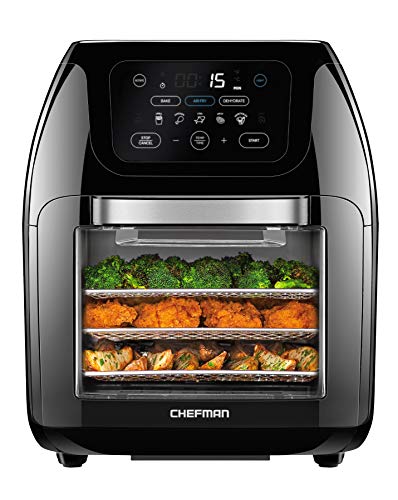
Air fryer ovens function differently from compact basket models due to their larger interior volume and horizontal airflow patterns. In a basket style unit, hot air swirls rapidly within a tight cylindrical cavity, concentrating intense convection directly onto the food. Countertop ovens feature wider chambers with multiple rack positions, which allows for broader air movement and more versatile meal arrangements. If you are also preparing other proteins, checking our air fryer seafood guide can provide useful timing comparisons across various shellfish and fish cuts.
Because air fryer ovens have greater interior space, their heating elements are often positioned slightly farther from the wire racks. This extra clearance can produce gentler, more even baking that reduces the likelihood of scorching the top seasonings before the interior warms through. However, this increased volume can occasionally add one or two minutes to the total baking time compared to compact drawer-style appliances.
Airflow direction in an oven appliance usually moves from top-mounted or side-mounted convection fans across the wire shelves. Placing solid baking sheets beneath the salmon can alter this circulation, redirecting the hot air stream. Using perforated crisper trays or open wire racks allows hot air to contact the bottom of the fillet, ensuring even cooking on both sides without requiring manual flipping.
Optimal Temperature Settings for Flaky Salmon
Setting the right temperature balances crisp surface texture with internal moisture retention. A moderate setting of 375 degrees Fahrenheit provides gentle heat that cooks the fillet evenly from edge to center. This temperature works particularly well for thicker salmon portions or fillets with sugar-based glazes that might burn under intense radiant heat.
Increasing the temperature to 390 or 400 degrees Fahrenheit creates a faster sear on the exterior skin and edges. At 400 degrees, a typical salmon fillet finishes in approximately 7 to 9 minutes, locking in natural juices while creating lightly browned surface edges. This higher setting is great for dry-rubbed fillets or seasoned portions where a slightly roasted finish is desired.
Lower settings around 350 degrees Fahrenheit are rarely recommended for standard salmon baking unless slow-roasting is specifically intended. Low temperatures can dry out the fish before a pleasant sear develops on the exterior, resulting in a pale and less appealing presentation. Maintaining a steady setting between 375 and 400 degrees remains the sweet spot for rapid, reliable air frying.
Fresh Fillets Versus Frozen Salmon Timing Adjustments
Baking salmon directly from a frozen state is entirely possible in an air fryer oven, though it requires specific timing adjustments. A frozen fillet contains surface ice crystals that absorb initial convection heat before the protein begins cooking. Consequently, frozen portions generally require 14 to 18 minutes total, depending on their overall thickness and starting ice layer.
When starting with frozen fish, running the first 5 to 7 minutes at a lower temperature like 360 degrees allows the fillet to thaw gently without burning the outer flesh. Once the ice melts and the surface softens, seasoning or oil can be applied directly to the fish. Increasing the heat to 390 degrees for the remaining 7 to 9 minutes will finish the interior and crisp the exterior nicely.
Thawed or fresh fillets always provide the most predictable cooking performance and better spice adhesion. If time permits, letting refrigerated salmon sit at room temperature for roughly 10 minutes before loading it into the preheated oven helps the fillet cook much more evenly throughout its core.
Skin-On Placement and Wire Rack Positioning
Choosing the correct rack height inside an air fryer oven significantly influences the final texture of your salmon. Most countertop oven appliances offer three or four distinct shelf positions. Placing your baking tray on the middle rack typically yields the most balanced results, keeping the fish away from direct top element scorch while allowing ample bottom air circulation.
Placing the salmon skin-side down on a lightly oiled wire rack creates a natural heat shield that protects the tender flesh below. As hot air circulates under the rack, the skin renders its natural fats and turns pleasantly crisp. If you prefer not to eat the skin, it still serves an essential purpose during cooking by preventing the fillet from sticking to the tray.
Using the uppermost rack slot positions the fillet very close to the upper heating elements, functioning similarly to an overhead broiler. While this can rapidly caramelize marinades in the final two minutes of cooking, leaving salmon on the top shelf for the entire cycle risks charring the top while leaving the center cool. Reserve the top rack strictly for a brief finishing sear if needed.
Recognizing Proper Doneness and Avoiding White Albumin Buildup
Knowing when your salmon is properly cooked prevents the unpleasant dryness associated with overcooked fish. A well-cooked salmon fillet changes from translucent coral to an opaque pink hue. When pressed gently with a fork or silicone spatula, the natural muscle flakes along the white connective lines should separate easily without resistance.
White albumin is a natural liquid protein that expels from the muscle fibers when salmon is subjected to sudden, intense heat. While completely safe to eat, a heavy layer of white residue on top of your fillet is a clear sign that the fish was cooked too fast or left in the appliance too long. Using a moderate temperature and keeping a close eye on the clock helps minimize albumin loss, keeping moisture inside the meat.
Allowing the cooked salmon to rest on a warm plate for two to three minutes after removing it from the oven is a vital final step. During this brief rest, residual heat finishes gentle internal cooking while the natural juices redistribute evenly throughout the fillet. Cutting into the fish immediately upon removal causes flavorful juices to run out onto the plate.
The Value of Kitchen Reference Charts and Quick Guides
Keeping track of various seafood, poultry, and vegetable cooking times can be difficult when managing busy weeknight routines. Having a dedicated magnetic reference chart affixed directly to your refrigerator or appliance exterior eliminates the need to look up cooking tables on digital devices with messy hands. These handy guides provide instant visibility for recommended temperatures and estimated time ranges for dozens of common ingredients.
Products such as the Nice2MiTu magnetic cooking booklet combine multi-recipe reference sheets with waterproof, wipe-clean surfaces designed for everyday kitchen use. Having precise guidelines for salmon alongside other staple proteins makes it effortless to coordinate side dishes and multi-tier meals inside an air fryer oven without burning ingredients. A quick glance at a tear-resistant reference card keeps your cooking workflow moving smoothly.
Visual charts that feature clear categorization and diet tags also assist in planning healthier, low-fat meal options. Because convection baking requires minimal added oil to achieve great browning, having step-by-step guidance on seasoning swaps and time conversions simplifies the entire meal prep process for novice cooks and experienced home chefs alike.
Managing Fish Residues and Cleaning Air Fryer Oven Racks
Cooking oily fish like salmon inevitably releases natural fats, oils, and seasonings onto the oven racks and bottom crumb tray. If these residue deposits are left uncleaned, they can generate unwanted smoke and fishy aromas during subsequent baking sessions. Regularly emptying and washing the bottom drip tray immediately after the appliance cools prevents baked-on grease buildup.
Using a specialized air fryer grease cleaner helps break down stubborn fish oils from wire mesh racks without scratching protective nonstick surfaces or stainless steel interiors. Soaking the wire shelves in warm soapy water for a few minutes before wiping them with a soft sponge removes all traces of seafood oils effortlessly.
To streamline cleanup even further, you can line the lower drip pan with a sheet of parchment paper or foil, making sure not to cover active heating elements or block essential airflow vents. Keeping the cooking chamber clean ensures that delicate baked goods or morning pastries prepared in the same oven will not absorb lingering fish aromas.
Practical Takeaways for Consistent Salmon Baking
Achieving tender, flaky salmon in an air fryer oven is a simple matter of respecting fillet thickness, setting a steady moderate temperature, and utilizing practical kitchen reference tools. Whether you are cooking fresh Atlantic salmon, wild sockeye, or quick-frozen fillets, keeping the baking window between 7 and 12 minutes will consistently yield satisfying results.
By taking advantage of multi-rack positioning and keeping visual reference cheat sheets within arm’s reach, any home cook can master convection seafood preparation with confidence. Regular maintenance and attentive timing ensure that your air fryer oven remains a dependable, versatile centerpiece for healthy, flavorful weeknight dinners.






Write Your Review
No reviews yet. Be the first to share your experience!